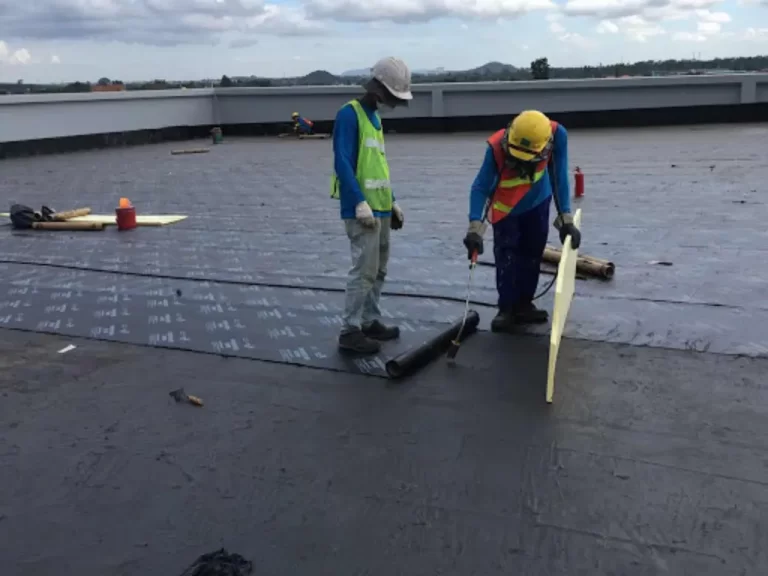
An epoxy floor should last for years, yet many factory owners in Bangladesh see bubbles, white patches or peeling within months. In most cases the coating itself is not the problem. The real cause is moisture in the concrete or poor preparation before the coating went down. This guide explains why epoxy floors blister and peel, how to prevent it and how to fix a failed floor.
What Does Epoxy Floor Blistering Look Like?
- Small or large bubbles that may contain liquid when cut open
- Areas that sound hollow when tapped
- Coating lifting or peeling from the edges, joints or cracks
- White or cloudy patches and loss of gloss
- Dark damp marks showing through the coating
Main Causes of Epoxy Blistering and Peeling
1. Moisture Rising Through the Slab
Concrete is porous. Ground-floor slabs without a proper damp-proof membrane can draw moisture up from the soil, especially in Bangladesh where groundwater is high and the monsoon keeps the ground wet for months. When this moisture is trapped under an epoxy layer, it builds pressure and pushes the coating off the surface. This is the most common reason for blistering on ground floors and basements.
2. Coating Concrete That Is Too Young or Still Wet
New concrete holds a lot of water. If epoxy is applied before the slab has cured and dried enough, that water tries to escape through the coating and causes bubbles and poor bonding.
3. Poor Surface Preparation
Epoxy needs a clean, sound and slightly rough surface to grip. Oil, grease, old paint, curing compounds, dust or weak laitance on the surface will stop the coating from bonding. Grinding or shot-blasting is usually needed before coating.
4. Leaks, Cracks and Open Joints
Water from roof leaks, pipe leaks, washdown or rain can enter through cracks and joints and spread under the coating. Untreated cracks also move and break the epoxy above them.
5. Wrong System for the Conditions
Areas with hot water washdown, temperature shock or constant wet conditions may need a moisture-tolerant primer or a PU concrete flooring system instead of a standard thin epoxy.
How to Prevent Epoxy Floor Blistering
- Test the slab moisture before coating and wait until it is within the coating maker limit.
- Waterproof first. For new buildings, use a damp-proof membrane under ground slabs and plan basement and slab waterproofing together with the flooring.
- Use a moisture-tolerant primer where some dampness cannot be avoided.
- Prepare the surface mechanically by grinding or shot-blasting and remove all contamination.
- Repair cracks and joints first with suitable crack repair injection and joint sealants.
- Fix leaks from roofs, drains and pipes before the floor is coated.
How to Fix a Blistered Epoxy Floor
Small, isolated blisters can sometimes be cut out, dried, repaired and recoated. If blistering is widespread, the moisture source must be solved first. That usually means removing the failed coating, finding and stopping the water source, treating the slab with a suitable waterproofing or moisture barrier system, and then applying a new primer and floor system. Simply painting over blisters will not last.
Waterproofing and Flooring Work Best Together
A floor coating can only be as good as the concrete under it. Planning waterproofing and flooring together saves money and prevents repeat failures. Read our ultimate guide to concrete waterproofing and learn about cementitious waterproofing, which is often used on concrete slabs and basements.
Get Expert Help
Fountech provides both epoxy flooring in Bangladesh and complete waterproofing, so we look at the floor and the moisture problem together. Contact us for a site inspection before you recoat a failed floor.