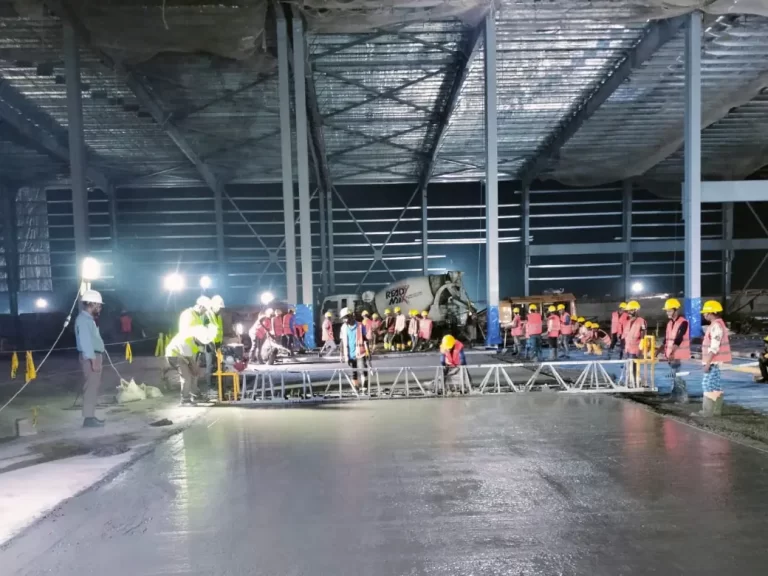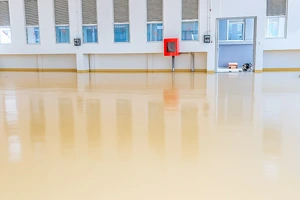
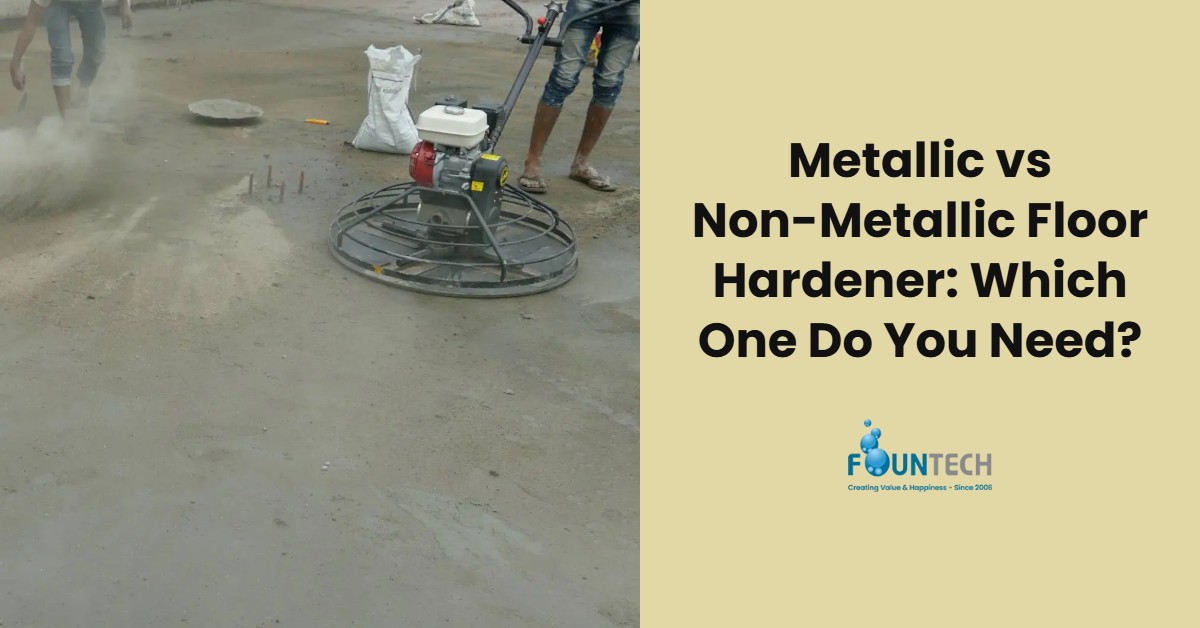
Floor hardener makes the top surface of a concrete slab much tougher, but not every hardener is the same. The two main dry-shake types are non-metallic (mineral) and metallic. Picking the right one depends on the traffic, impact and conditions your floor will face. Here is a simple comparison of metallic vs non-metallic floor hardener for projects in Bangladesh.
Non-Metallic Floor Hardener
Non-metallic hardeners use hard natural or synthetic mineral aggregates such as quartz, mixed with cement and additives. They are the most widely used type and give a big improvement in abrasion resistance compared with plain concrete.
- Best for: warehouses, factories, workshops, logistics centers, parking areas and loading zones
- Good resistance to foot traffic, forklifts and rubber-wheeled vehicles
- Suitable for both indoor and outdoor areas
- Available in natural grey and some colors
- Lower cost than metallic hardener
Metallic Floor Hardener
Metallic hardeners contain specially graded metallic aggregates. These aggregates are tougher and more ductile, so the floor can absorb heavy impact and very high mechanical wear.
- Best for: heavy-duty industrial floors with steel-wheeled trolleys, dropped loads and constant heavy traffic
- Highest impact and abrasion resistance among dry-shake hardeners
- Usually recommended for dry, indoor areas, because metallic aggregate near the surface can stain if it stays wet
- Higher material cost and needs careful, experienced application
Comparison Table
| Factor | Non-Metallic | Metallic |
|---|---|---|
| Aggregate | Mineral (e.g. quartz) | Metallic |
| Abrasion resistance | High | Very high |
| Impact resistance | Good | Excellent |
| Indoor / outdoor | Both | Mainly dry indoor |
| Typical uses | Warehouses, parking, factories | Heavy industry, steel-wheel traffic |
| Cost | Lower | Higher |
What About Liquid Floor Hardeners?
Liquid hardeners, also called densifiers, are a different system. They soak into new or existing concrete and react chemically to make the surface denser and harder. They are useful for old floors where a dry-shake hardener cannot be applied, and they are often used with grinding in polished concrete floors. They do not replace a dry-shake hardener on heavy-duty new slabs.
How to Choose the Right Floor Hardener
- Traffic type: rubber wheels and foot traffic suit non-metallic; steel wheels and heavy impact may need metallic.
- Location: outdoor or wet areas usually call for non-metallic.
- Floor flatness: high-rack warehouses may combine hardener with super flat flooring.
- Budget and service life: compare the material cost with the expected life of the floor.
- Application rate: the amount per square meter must match the expected traffic.
Application Matters as Much as the Product
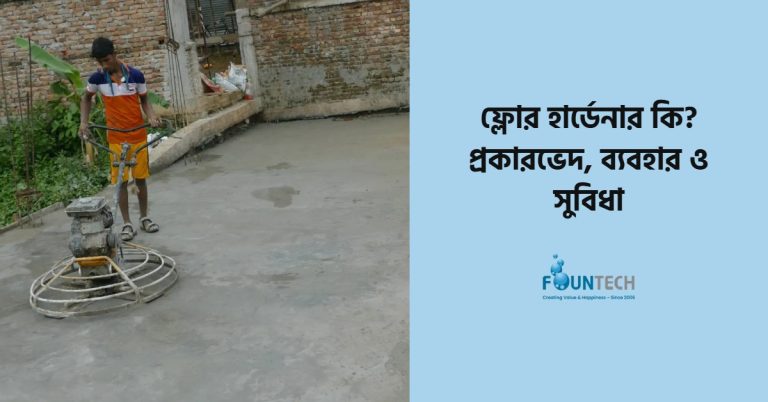
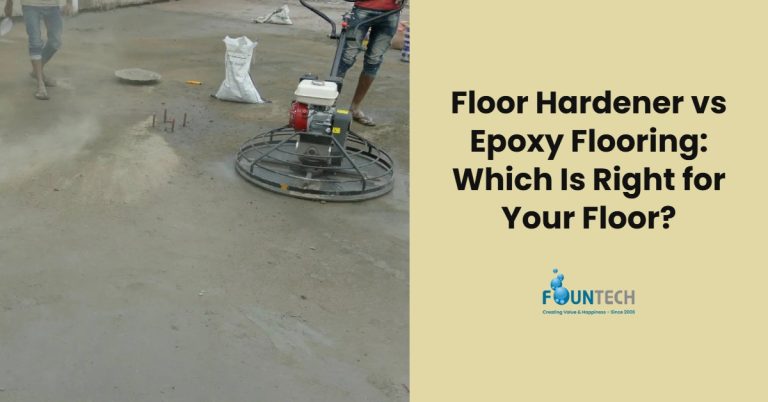
Both types must be applied at the right time during the concrete setting process, evenly spread and properly troweled and cured. Poor timing causes delamination, dusting or uneven color, no matter how good the product is. That is why the concrete contractor and the flooring applicator should plan the work together.
Conclusion
For most warehouses, parking areas and general factory floors, a non-metallic hardener gives excellent value. For the heaviest industrial use, metallic hardener gives extra protection. Learn more on our floor hardener in Bangladesh page, check the floor hardener price in Bangladesh, or compare other systems in types of industrial flooring. Contact Fountech for advice on your next slab.