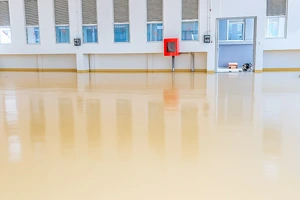
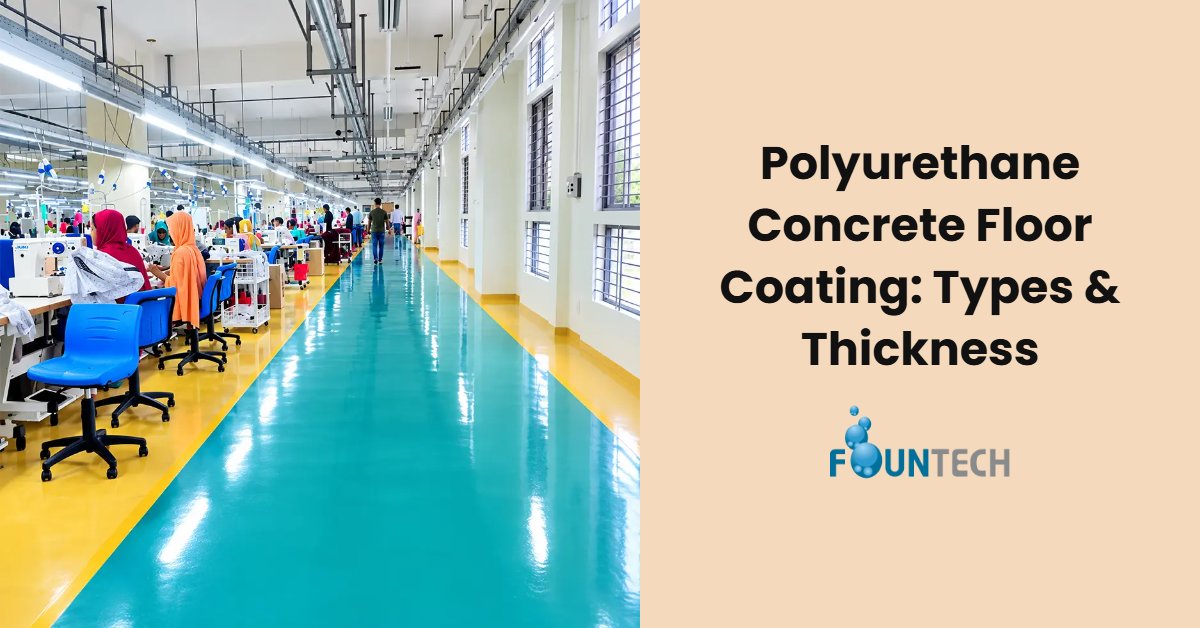
Polyurethane concrete floor coating is a seamless resin layer bonded directly to a concrete slab. It is used where epoxy alone struggles: hot-water washdowns, temperature swings, moving loads and slabs that are never perfectly dry. This guide explains the main system types, how thick each one is, how the slab must be prepared and where polyurethane is the better choice.
What Is a Polyurethane Concrete Floor Coating?
A polyurethane (PU) floor coating is a two-component or multi-component system that cures into a hard but slightly flexible surface. Because it is bonded to the concrete, the slab and the coating move together. That flexibility is why PU copes with thermal shock and light slab movement better than a rigid epoxy film.
The phrase “polyurethane floor covering” usually means the same thing in practice: a continuous finished surface applied in place, not tiles or sheets. If you are comparing it with epoxy first, read our epoxy vs PU flooring comparison.
Types of Polyurethane Coating Systems for Concrete
1. Thin PU coating (sealer or topcoat)
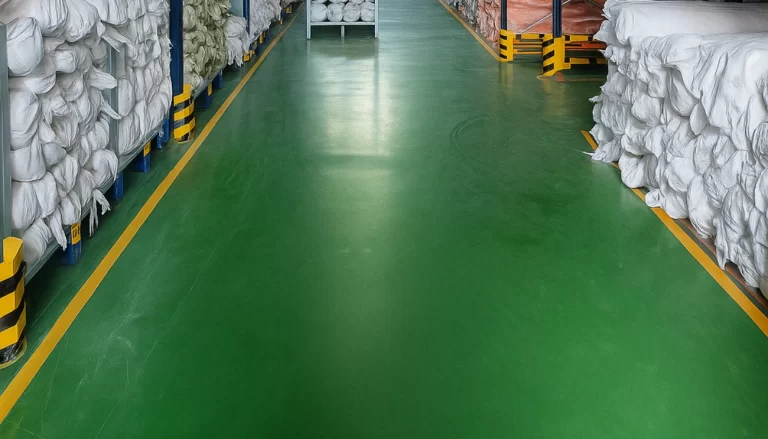
A thin film, usually well under 1 mm, applied over concrete or over another coating. It gives UV stability, abrasion resistance and easy cleaning. It suits light-traffic areas, warehouses and as a topcoat over epoxy.
2. PU self-levelling system
A flowable layer of roughly 2 to 4 mm that levels itself across the slab. It is used in pharma, food and electronics areas where a smooth, hygienic and easy-to-clean surface is needed.
3. Cementitious PU (PU concrete) screed
A thick, heavy-duty layer, commonly in the range of 4 to 9 mm. It is chosen for wet processing areas, kitchens, breweries and cold rooms, where hot water, steam and temperature shocks are routine. For a closer look at this use, see PU flooring for food and pharma factories.
Always confirm exact thickness with the product data sheet. It depends on the material, the traffic and the temperature range.
Polyurethane vs Epoxy on Concrete: Quick Comparison
- Flexibility: PU is more flexible. Epoxy is harder and more rigid.
- Thermal shock: PU handles hot washdowns and sudden temperature change better.
- Chemical resistance: Epoxy is very strong against many chemicals. PU is good but system-dependent.
- Moisture on the slab: Some PU systems tolerate residual moisture better than epoxy, but the slab must still be tested. See why epoxy floors blister and peel.
- Cost: PU is usually higher per square foot, but it can last longer in harsh areas.
Surface Preparation: The Part That Decides Success
Most coating failures start with the slab, not the product. A proper preparation sequence is:
- Check the slab. The concrete should be fully cured and sound. Weak, dusty or oil-contaminated concrete must be removed.
- Test moisture. Measure moisture content and check for rising damp before choosing the system.
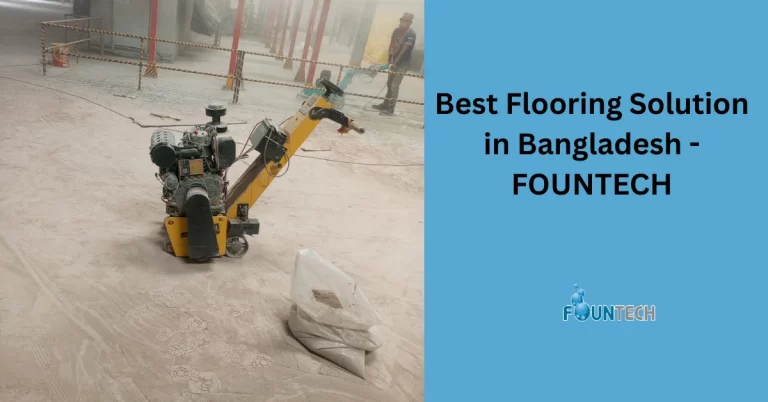
- Mechanical preparation. Diamond grinding or shot blasting removes laitance and opens the pores so the primer can grip.
- Repair defects. Fill cracks, joints and holes with a suitable repair material before coating.
- Prime, apply, seal. Apply the primer, then the PU layer at the specified thickness, then the topcoat if required.
Where Polyurethane Concrete Floor Coating Works Best
- Food and beverage plants with hot-water and steam cleaning
- Pharmaceutical and cleanroom-adjacent production areas
- Cold rooms and freezers, where temperature swings are large
- Commercial kitchens and wet processing areas
- Factories with heavy trolleys and forklifts
How to Choose the Right System
Match the system to four things: the daily temperature range, the cleaning method (dry, wet or steam), the type of traffic, and the condition of the slab. If you are unsure, a site inspection is cheaper than recoating a failed floor. For the full range of options, see our industrial flooring guide, or go directly to the PU flooring in Bangladesh page. Pricing information is in our PU flooring price guide.
Frequently Asked Questions
Can polyurethane be applied directly on concrete?
Yes, but only after the slab is tested, ground or blasted, repaired and primed. Skipping preparation is the most common reason for peeling.
Is polyurethane better than epoxy for a wet area?
Often yes, especially where hot water or steam is used, because PU tolerates thermal shock and has more flexibility. The final choice depends on the slab and the chemicals involved.
How thick is a polyurethane concrete floor?
From a thin coating of under 1 mm to a heavy-duty screed of about 4 to 9 mm, depending on the system and the duty.
Can I coat over an old floor?
Only if the old layer is firmly bonded. Loose or damaged coating must be removed first.
Get a Site Inspection
Fountech has been installing industrial floors since 2006. Contact us for a free inspection and a recommendation for your slab.